eyes wide shut
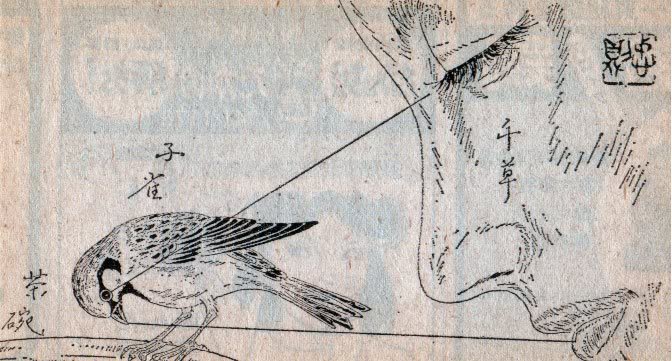
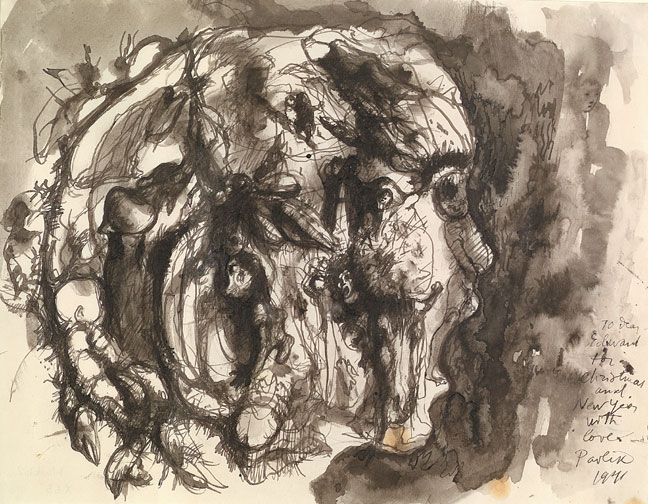
Tadanori Yokoo, works done for a book called 幻花 by Japanese author Harumi Setouchi. via and
Tadanori Yokoo, works done for a book called 幻花 by Japanese author Harumi Setouchi. via and
The Jewish settlement in Grodno area most likely began in the 14th century when Belarus was part of the Litevanian monarchy. In 1569, as a result of a confederation between Poland and the Lithuania, Belarus (including the Grodno region) became part of Poland. In the period between 1569 and 1795, as a result of commerce in Grodno, Jews settled in the vicinity and developed well organized communities. During the 16th century the two small villages of Lunna and Wola (also spelled as: Wolla, Wolya and Wolie) were established on a typical agricultural plane surrounded on the east and south by mild hills.

The 1900 map of Lunna (the only existing detailed map) illustrates the center of the town as a circled square surrounded by residential and religious buildings. The Pravoslavic (Russian Orthodox) Church was located in the middle of the square. East of the church stood two synagogues (marked by two zodiac symbols). Nearby, there was a catholic church. The map also shows roads leading from the center of the town in four directions. Along the South-East road leading to Wolpa (11.4 kilometers) were the houses of Wola surrounded by small farms and a mansion (marked with a symbol G. db-Grazdansky Dvor) and a forest. The road toward the North crossed the Niemen River via a bridge and led to Skidel (15 kilometers). There were brick factories (marked by two symbols of Krip) at the North-West direction. At the South-West direction, there was a stream (marked as Wodotok). There were five cemeteries (marked by Ki - Kladbiszcze); two Christian cemeteries (marked by a cross), and three Jewish cemeteries located South-West to the Niemen River (the "old" and "new" cemeteries of Lunna and the cemetery of Wola.)
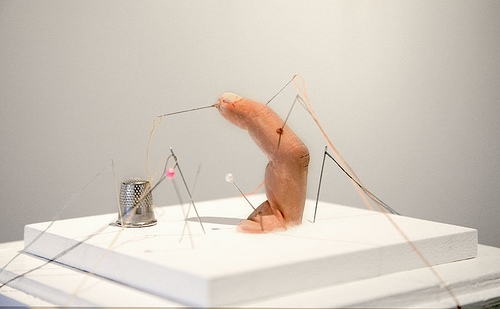
Sandrine Pelletier, Insekts series, Majeur - Plaster, resin, acrylic, nail polish, needles and thread
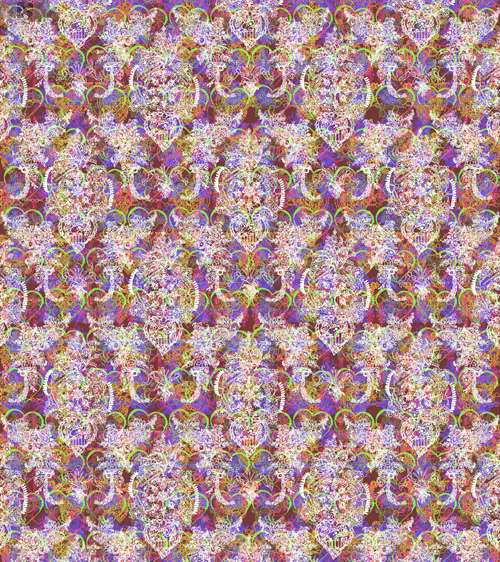
Ben Volta studio
As an artist / educator, works with others to conceptualize an art idea, and explore how each contributing participant might incorporate his or her unique vision into that idea.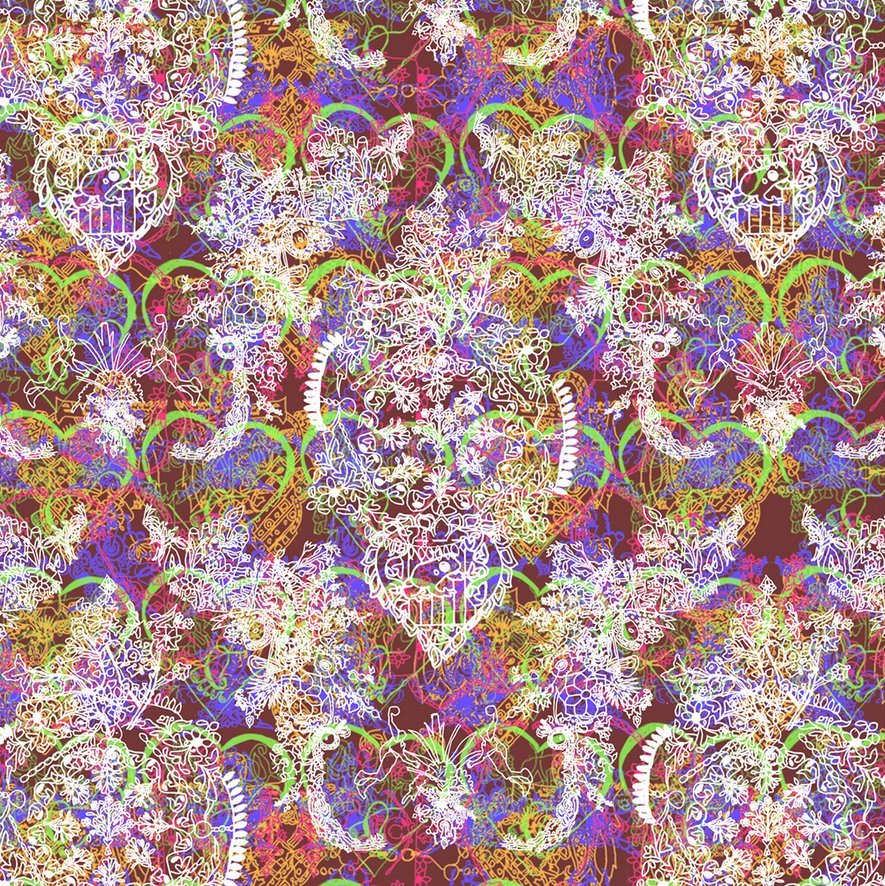
Created in the education studios at the Philadelphia Museum of Art, the wallpaper artworks predominantly draw themes from the art and artifacts of three distinct regional cultures: India, Latin America, and China.

 Posts
All Comments
Posts
All Comments