Friday, August 28, 2009

Childhood is a Branch of Cartography

"Art is a form of exploration, of sailing off into the unknown alone, heading for those unmarked places on the map." sais the writer Michael Chabon and presents his concerns "If children are not permitted—not taught—to be adventurers and explorers as children, what will become of the world of adventure, of stories, of literature itself?"

via platial

"Most great stories of adventure, from The Hobbit to Seven Pillars of Wisdom, come furnished with a map. That's because every story of adventure is in part the story of a landscape, of the interrelationship between human beings (or Hobbits, as the case may be) and topography. Every adventure story is conceivable only with reference to the particular set of geographical features that in each case sets the course, literally, of the tale. But I think there is another, deeper reason for the reliable presence of maps in the pages, or on the endpapers, of an adventure story, whether that story is imaginatively or factually true. We have this idea of armchair traveling, of the reader who seeks in the pages of a ripping yarn or a memoir of polar exploration the kind of heroism and danger, in unknown, half-legendary lands, that he or she could never hope to find in life. This is a mistaken notion, in my view. People read stories of adventure—and write them—because they have themselves been adventurers. Childhood is, or has been, or ought to be, the great original adventure, a tale of privation, courage, constant vigilance, danger, and sometimes calamity.. The traveler soon learns that the only way to come to know a city, to form a mental map of it, however provisional, and begin to find his or her own way around it is to visit it alone, preferably on foot, and then become as lost as one possibly can. ."

Monday, August 24, 2009

Hobo Clown

Hobo Clown (2008), by the artist Allison Schulnik [music by Grizzly Bear]

Monkey Head

ALLISON SCHULNIK

Thursday, August 20, 2009

moving Moon went up the sky- And no where did abide: Softly she was going up, And a star or two beside-

Her beams becmocked the sultry main, Like April hoar-frost spread; But where the ship’s huge shadow lay, The charmed water burnt away A still and awful red.

Beyong the shadow of the ship, I watched the water-snakes: They moved in tracks of shining white, And when they reared, the elfish light Fell off in hoary flakes.

Within the shadow of the ship I watched their rich attire: Blue, glossy green, and velvet black, They coiled and swam; and every track Was a flash of golden fire.

- Samuel Taylor Coleridge, “The Rime of the Ancyent Marinere” (1797-8)

via My Favorite Things

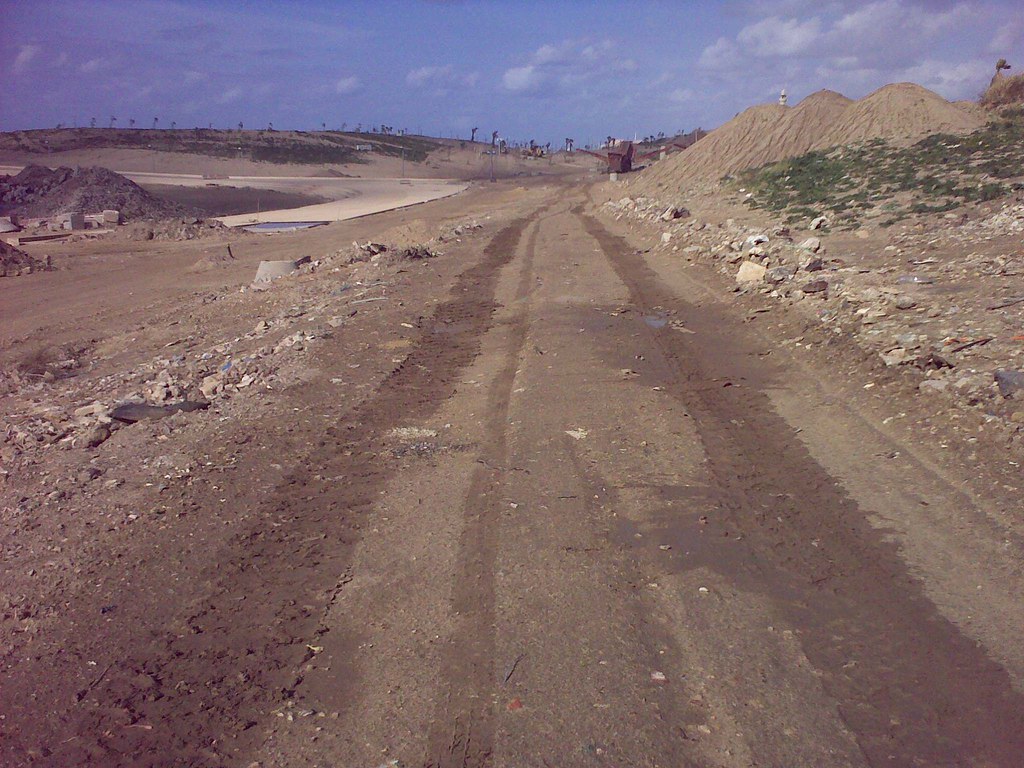
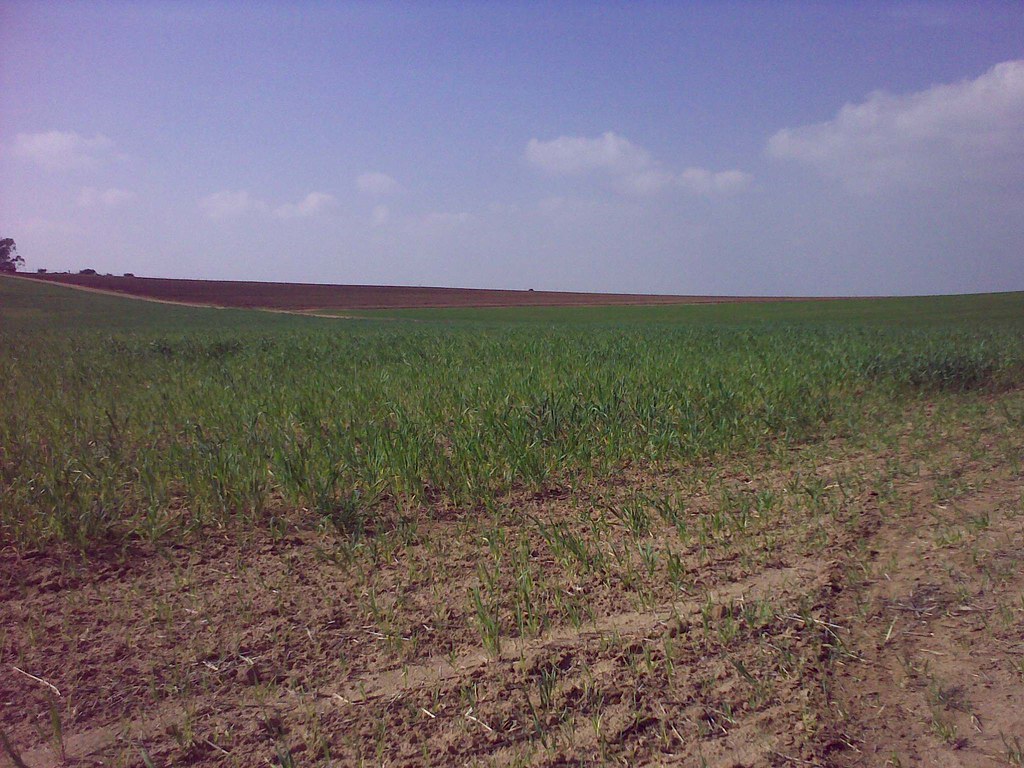
mapping memories

photos that were taken with cell phone, while walking, Israel 2009.

Jaffa, Tel Aviv, Apil 2009 Tel-Gezer, April 2009

Saturday, August 15, 2009

Trioon

Alva Noto and Ryuichi Sakamoto - Trioon (Karl Kliem _ 2003) Noto uses art and music as complementary tools to create microscopic views of creative processes via http://dataisnature.com/

Sunday, August 09, 2009

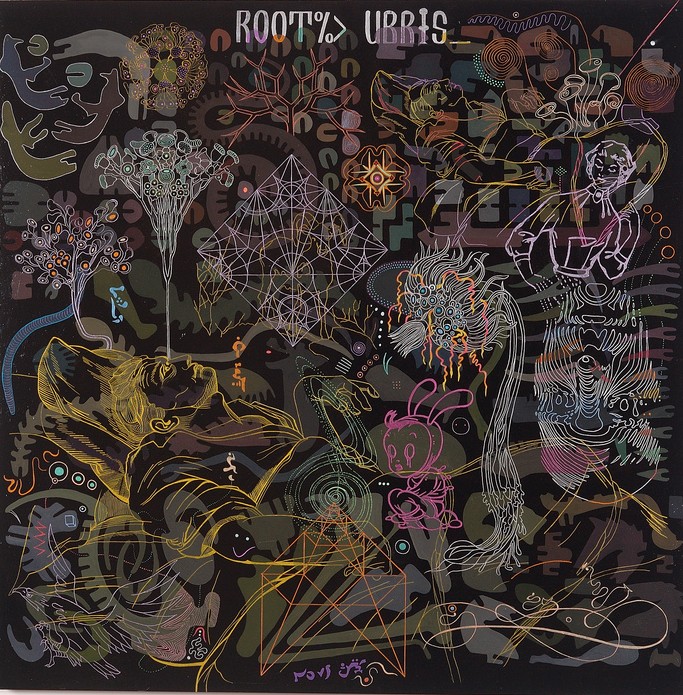
Root Ubris by Andrey Lev

Andrey Lev at the Florentin45 Contemporary Art Space

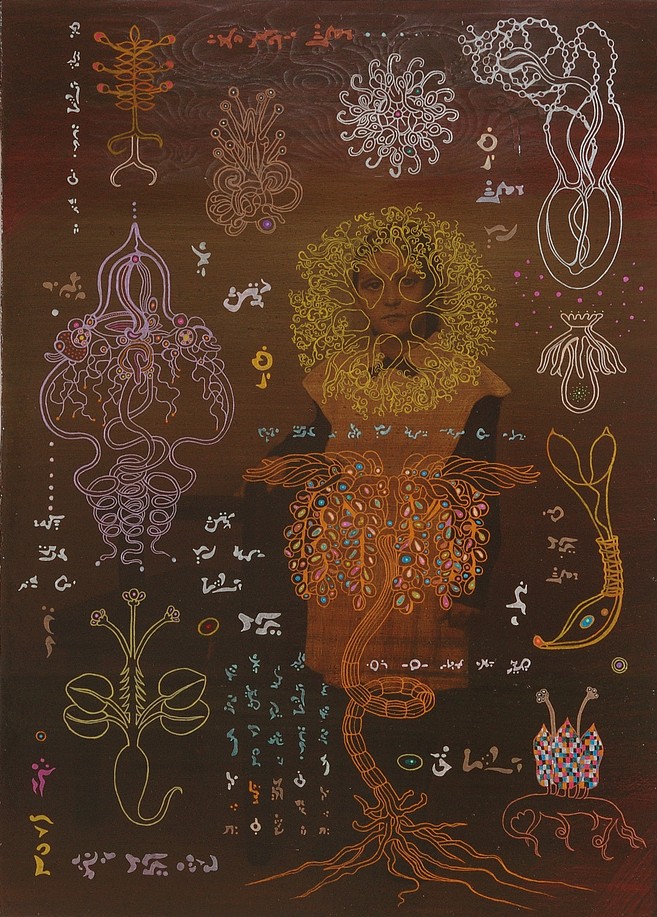
The enigma in Andrey Lev’s paintings in un solvable. The mixture of representation of imaginary plants along side detailed description of body organ's parts whom all are orchestrated over delicate figurative traditional oil painting (such as the second image below) is best to remain enigmatic.

Andrey Lev, Root Ubrism oil and markers and poliortan on mezonitem 75x75 cm, 2006

It has so much the charms of a delicate piece of precious jewelry and at the same time kind of depth that can Take me into spiritual, mental, intellectual journy. Into comprehending this matrix of worlds, kaleidoscopic words, meanings and concepts

Andrey Lev, Botanicam oil and markers and poliortan on wood 70x45 cm, 2006

Saturday, August 08, 2009

Das Lied von der Erde_II

Das Lied von der Erde, by Mahler, in the unique voice of Kathleen Ferrier